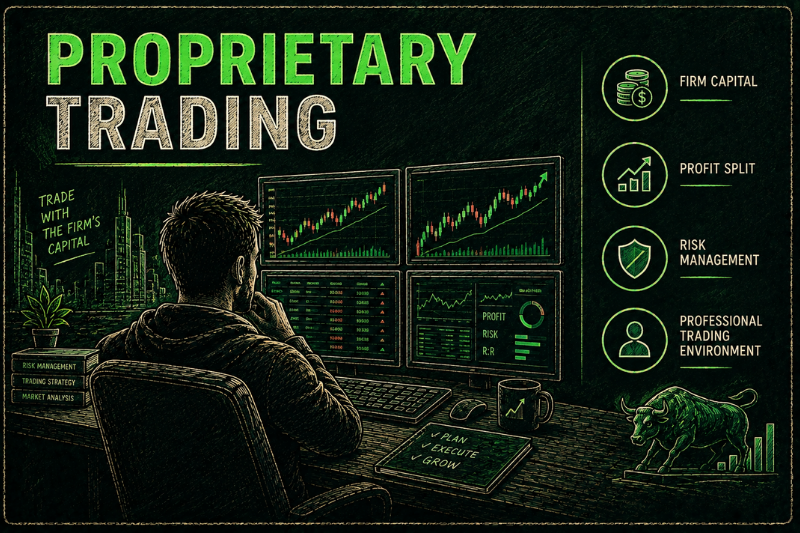
Forex Trading Strategies: Types, Examples and How to Use Them


These strategies rely on different approaches, including technical analysis, fundamental analysis, market sentiment, algorithmic systems, and economic news. Some focus on chart patterns and support and resistance levels, while others track interest rates, inflation reports, and central bank decisions.
A clear trading strategy sets the conditions for entering and exiting trades, managing risk, and measuring performance. This guide explains the main types of forex trading strategies, the tools used to apply them, and how to build and backtest a trading plan before risking real money.
Key takeaways
- Forex strategies use technical indicators, price patterns, economic data, market sentiment, or automated rules to identify trading opportunities.
- Before trading live, define entry and exit conditions, strict risk management per trade, and test the strategy across different currency trading and market conditions.
Best Forex Trading Strategies
To master trading Forex, one must first understand the different trading styles and how they shape the strategies traders use. Let's explore the main types of traders and their preferred approaches.
Types of Traders Based on Trading Strategy
In the Forex market, traders adopt different strategies depending on their time commitment, risk tolerance, and market approach. Here are the key trading strategies and how they align with different trading styles:
1. Technical analysis trading
Technical traders rely on price action, charts, and indicators to make trading decisions. They analyze patterns, trends, support and resistance levels, and use various tools to predict price movements.
Some of the most common strategies include:
- Trend Trading Strategy: Traders identify whether a currency pair is moving upward or downward and look for entries in the direction of the trend. Trendlines and moving averages help assess the trend’s strength and direction.
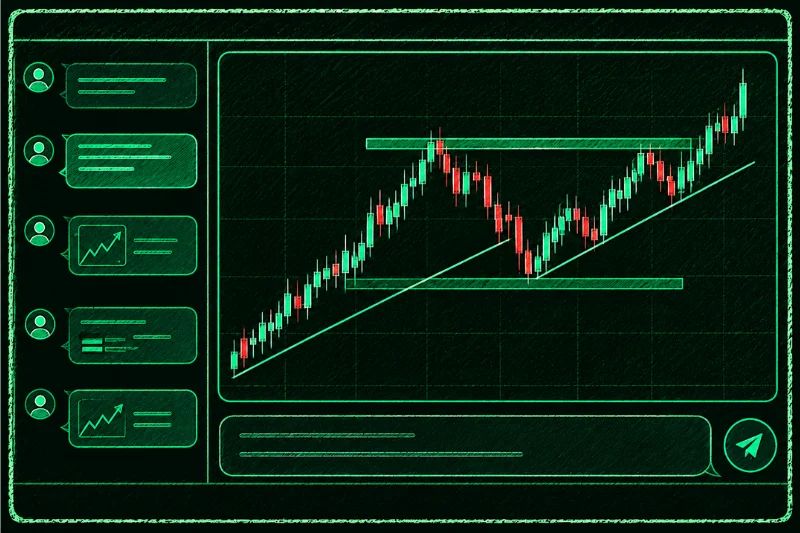
- Support and Resistance Trading: Also known as range trading forex strategy, these are price zones where a currency pair has previously reversed or stalled. They look for potential entries when price bounces from these zones or breaks through them.
- Pivot Point Trading: Pivot points use the previous trading session’s high, low, and closing prices to calculate potential support and resistance levels. Forex day trading uses these levels to plan entries, exits, and stop-losses.
- Chart Pattern Trading: Traders look for formations such as head and shoulders, double tops, double bottoms, and triangles. These patterns can signal a possible trend reversal or continuation once price confirms the setup.
- Elliott Wave Trading: This strategy analyzes recurring wave structures in market prices to identify trend phases and possible turning points. Traders often combine wave analysis with price levels or other technical tools for confirmation.
- Dow Theory: Dow Theory examines market highs, lows, and trend direction to distinguish primary trends from shorter-term movements. Forex traders can use its principles to assess whether a broader trend is strengthening or weakening.
- Price Action and Breakout Trading: Price action traders study candlesticks and price movements to identify setups, while breakout traders look for a decisive move above resistance or below support. Some use trading volume or momentum indicators to assess breakout strength.
2. Fundamental analysis trading
These traders focus on economic indicators, interest rates, central bank policies, and global events that impact currency values. They analyze GDP reports, employment data, inflation, and political developments to anticipate long-term market movements.
Many traders using this strategy hold positions for extended periods, aligning their trades with macroeconomic trends.
3. Sentiment analysis trading
Sentiment traders analyze market mood and trader positioning using tools like Commitment of Traders (COT) reports, Fear & Greed Index, and retail sentiment indicators.
By assessing whether the market is bullish or bearish, they align their trades with or against the prevailing sentiment to gain an edge.
4. Algorithmic trading
These traders use automated systems, bots, or AI-driven strategies to execute trades based on predefined criteria. Their approach minimizes emotional decision-making and improves execution speed, making it ideal for high-frequency trading, scalping, and market-making strategies.
5. News trading
News trading forex strategy capitalize on market volatility caused by economic releases, central bank decisions, and geopolitical events. They react to major announcements like Non-Farm Payrolls (NFP), CPI reports, and interest rate decisions to capture rapid price movements in the market.
Each trading strategy offers unique advantages, and the best approach depends on a trader's experience, time availability, and risk appetite.
Building And Exploring Advanced Forex Trading Strategies
Building an effective trading strategy isn't about blindly following signals or copying other traders. It's about developing a structured approach that fits personal trading preferences and adapts to changing market conditions. Here are the essential steps to crafting a winning strategy:
- Define Your Trading Goals: Are you aiming for steady growth, high-risk speculative gains, or passive income? Your objectives will shape your strategy.
- Choose Your Trading Style: Based on your time commitment, risk tolerance, and financial targets, choose between scalping, day trading, position trading, or swing trading strategies.
- Select Your Market Approach: Decide whether you'll rely on technical analysis, fundamental analysis, or another approach.
- Select the Markets You Want to Trade: In the Forex market, there are numerous currency pairs, each influenced by different economic factors. Choose the pairs that align with your strategy and understanding of market dynamics.
- Select the Time Frames You Will Use: If you are a scalper, you'll likely focus on 1-minute or 5-minute charts. Day traders commonly use 15-minute to 1-hour charts, while swing traders rely on 4-hour and daily time frames.
- Develop Entry and Exit Rules: Use tools like trend lines, Fibonacci retracement, breakout strategies, and price action patterns to define clear entry and exit points. Traders often place stop-losses beyond a recent swing high or low, depending on the trade direction and setup.
- Implement Risk Management Rules: Determine the number of trades you will take and the level of risk per trade, per day, or per week. Set stop-losses to protect your capital and ensure long-term profitability. A 1:2 risk-to-reward ratio means targeting $2 in potential profit for every $1 at risk. The target should account for the trade’s setup and market conditions.
- Backtest Your Strategy: Before committing real money, test your strategy on a demo account with multiple currency pairs. Collect and analyze historical market data to refine your approach and build confidence in your system.
The Tools Behind Every Successful Trading Strategy
A well-built Forex trading strategy relies on several tools and techniques:
These tools help streamline your trading, improve accuracy, and maintain discipline in risk management.
The Importance of Backtesting
One of the most overlooked aspects of developing a Forex trading strategy is backtesting. This process involves testing a strategy using historical data to determine how it would have performed in past market conditions. Traders can identify strengths, weaknesses, and areas for improvement before risking real capital. A good backtesting routine includes:
- Running simulations over different timeframes and trading sessions.
- Testing the strategy under various market conditions (trending, ranging, high volatility) through demo accounts.
- Tracking key performance metrics like win rate, drawdowns, and profit percent.
Drawdown measures the decline in account value from a previous peak to a subsequent low. Tracking maximum drawdown helps traders assess how much loss a strategy has experienced.
Backtesting helps traders refine their strategies and gain confidence in their trading plan, ultimately leading to better decision-making in live markets.
What Makes a Trader Successful?
Success in forex trading doesn't happen by chance. It's a combination of having strategies that provide an edge in the market, developing a solid risk management plan, and cultivating the right mindset. Let's break down what each of these components involves:
Strategies with an Edge
A trader's strategy needs to have an edge in the market, meaning that it gives them an advantage over others in terms of predicting price movements. Building your own strategy is essential, as it allows you to adapt it to market conditions and personal preferences.
A good strategy combines both technical and fundamental analysis, depending on the trader's style. The key is consistency and testing the strategy with backtesting tools to ensure it's effective over time.
Risk Management Plan
One of the most critical aspects of successful trading is having a comprehensive risk management plan. Regardless of how good a trader's strategy is, they must have a plan in place to protect their capital.
Here are some risk management principles to follow:
- Risk per Trade: Successful traders never risk more than 1% of their total capital on a single trade. This ensures that a series of losses won't wipe out their account.
- Position Sizing: Proper position sizing helps determine how many lots to trade based on your risk tolerance and stop-loss level.
- Stop-Loss Orders: Using stop-losses is one of the best ways to manage risk. A well-placed stop-loss order prevents emotional trading and ensures that a loss doesn't turn into a larger one.
- Diversification: Trading multiple currency pairs or asset classes can help spread risk across various trades.
The Right Mindset
The mindset of a trader is often the most significant factor in achieving success. Trading psychology plays a vital role in how traders handle wins and losses. Successful traders maintain a calm and disciplined mindset, avoiding emotional decisions that could lead to impulsive trades.
Here's what the right mindset looks like:
- Patience: A trader must be patient and wait for the right opportunities to arise. Rushing into trades can lead to unnecessary losses.
- Discipline: Sticking to your trading plan, avoiding emotional decisions, and executing trades with consistency are all signs of a disciplined trader.
- Adaptability: The forex market is constantly changing, so a successful trader must be flexible and adjust their strategy when necessary. Adapting to new conditions while staying true to your overall plan ensures long-term success.
Conclusion
Developing a strong trading strategy is essential for long-term success in trading forex. It requires a clear market edge by combining technical and fundamental analysis. A solid risk management plan, including smart position sizing and stop-loss orders, helps protect capital and minimize losses. Equally important is maintaining a disciplined and adaptable mindset.
Success in forex trading isn't just about having a good strategy, it's about continuously improving it, learning from mistakes, and adapting to market changes. Traders who stay committed to refining their approach increase their chances of achieving consistent profitability.
Take your forex trading to the next level with Top One Trader. The platform supports various strategies and provides educational resources to help you build and refine your own strategy. Start trading today and gain access to the tools and support needed for success!
FAQs
What is the most commonly used forex trading strategy?
Trend trading, breakout trading, and support and resistance trading are widely used approaches. Trend traders follow the market's direction, while breakout traders look for price moves beyond established support or resistance.
Which indicators work best for forex trading strategies?
Moving averages help identify trends, RSI measures momentum, and MACD tracks changes in trend and momentum. Fibonacci retracement levels can help identify potential support and resistance areas.
How much capital do you need to start forex trading?
Some brokers allow accounts with $100 or less, but the amount needed to manage position sizes and risk responsibly may be higher. The minimum depends on the broker, account type, and currency pair.
How do you test a forex trading strategy before using real money?
Backtest the entry and exit rules against historical price data, then test them on a demo account. Track win rate, drawdown, average profit and loss, and results across different market conditions.
What is the 1% risk rule in forex trading?
The 1% rule means limiting the planned loss on a single trade to 1% of account equity. For example, a $5,000 account would have a $50 risk limit per trade, based on the entry price and stop-loss level.
-1%201%20(1).webp)